 TieTie
The things you thought
you lost are still here.
TieTie is a clipboard manager built for macOS. You hit ⌘C a few hundred times a day and every one of them wipes out the last, so TieTie keeps them one by one. A lyric you wrote down at 3am, the message you never sent, that link you were sure you’d remember. Press ⇧⌘V and they’re all in front of you.
- Stays on your Mac
- No account
- Works offline

You probably hit one of these today.
None of it is a disaster. Just the kind of small annoyance you forget five minutes later, which is exactly why it keeps happening.
Copy something new, lose the old thing
That API key was right there. Then you copied a URL and it’s gone. The window you got it from? Already closed.
“I copied that last week”
You’re sure you did. But which page, which file, which Slack thread? No idea.
Filling one form, switching eight times
Name here, address there, phone number somewhere else. Copy one, paste one, switch back, repeat.

If you can see it, you can find it.
A list of truncated text lines has the same problem you started with. So every clip becomes a card that looks like what it is: images look like images, code gets syntax colors, links pull in a thumbnail and title.
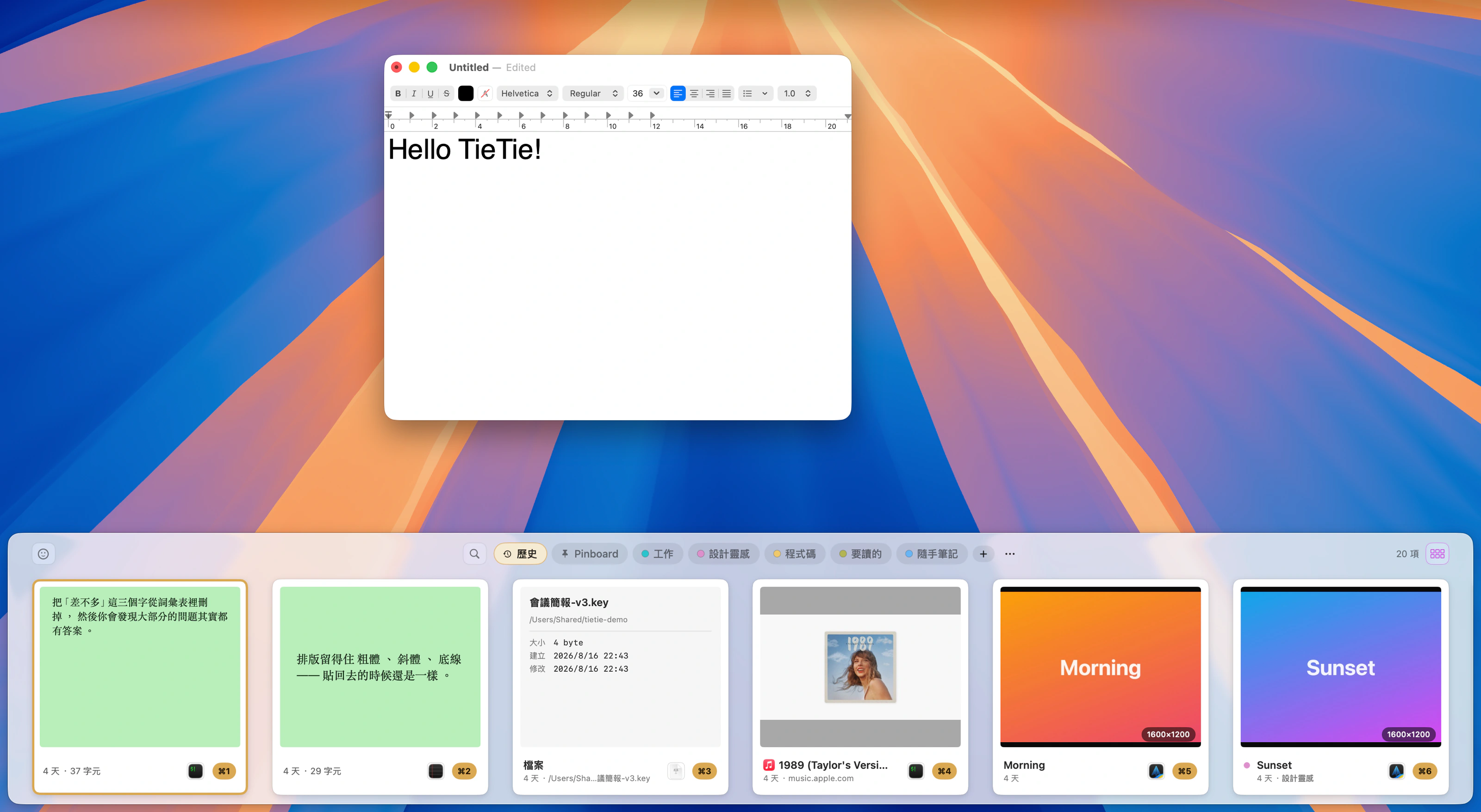
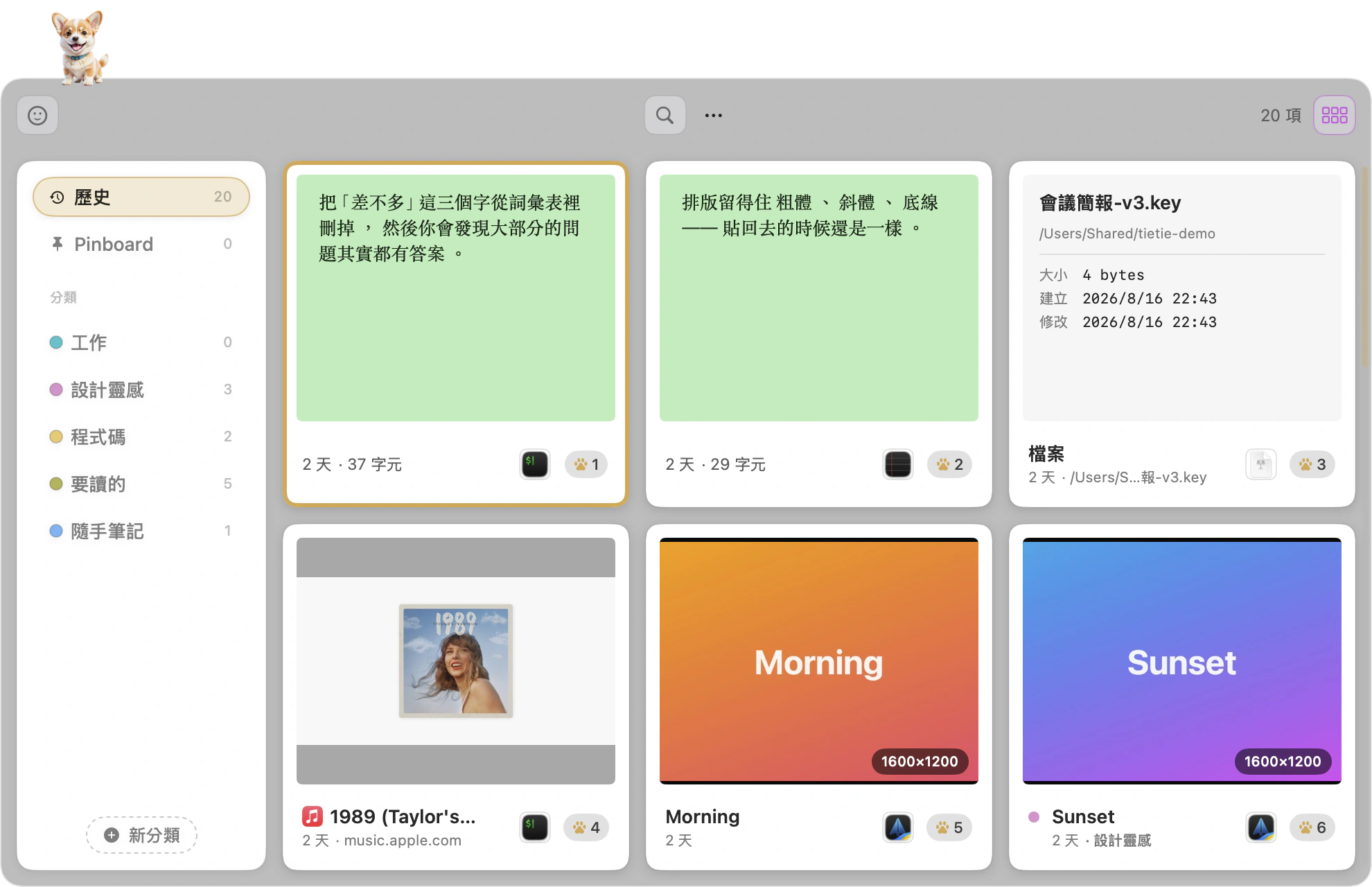
The shot above runs along the bottom, this one parks in the corner. Those are the two layouts. Cards come as polaroids or index cards, and light or dark follows your system.
Everything you copy looks different.
Not everything crammed into the same grey box. A song is its album art, a video is its thumbnail, a snippet keeps its syntax colors. You spot it faster than you could read it.
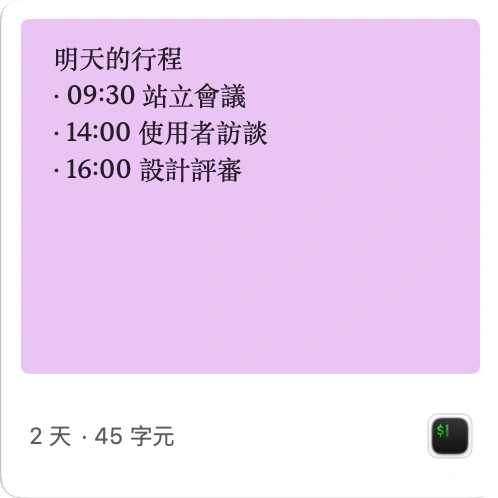
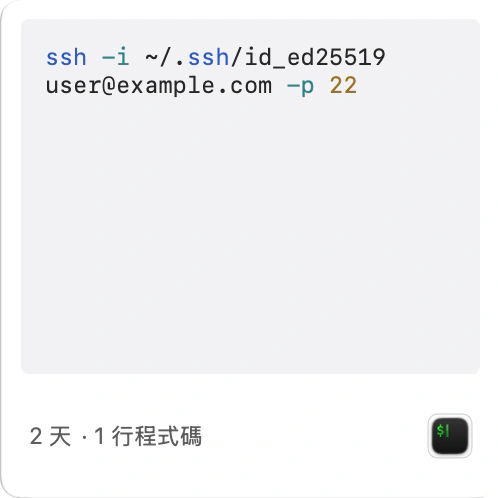
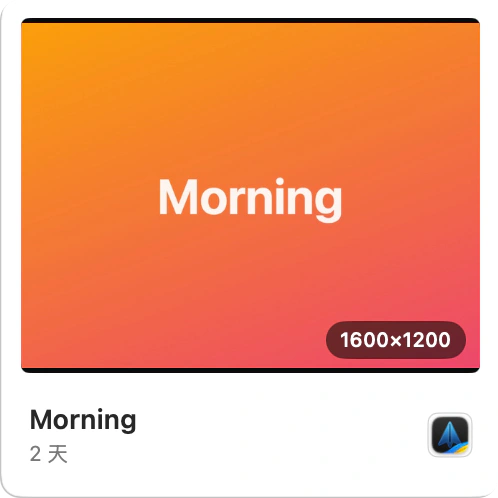
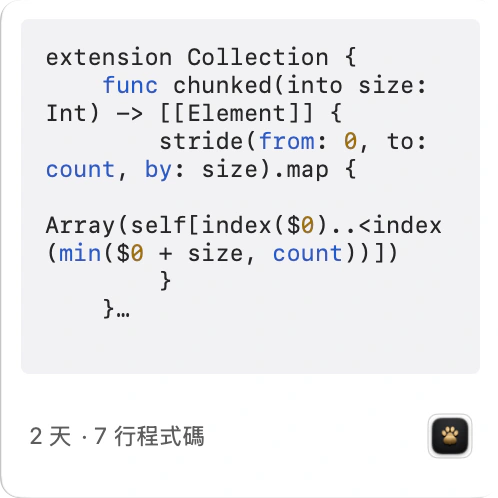
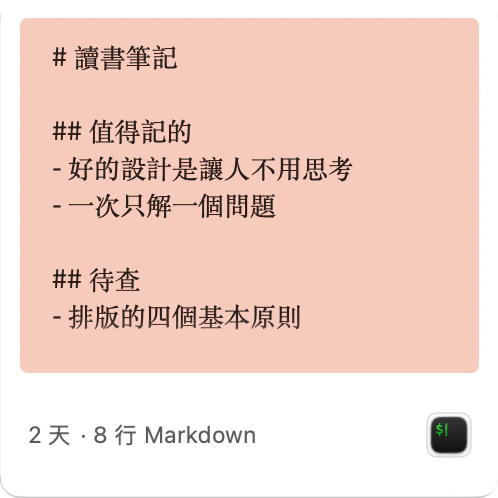
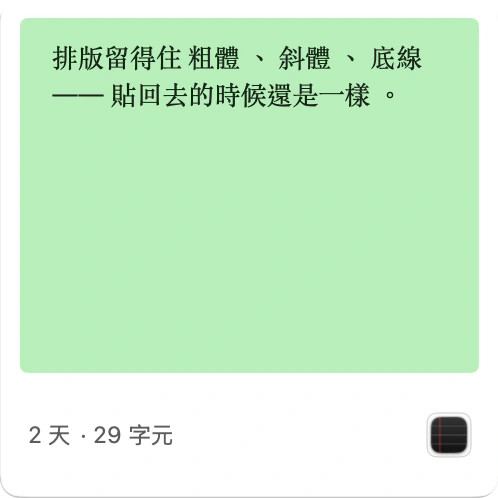
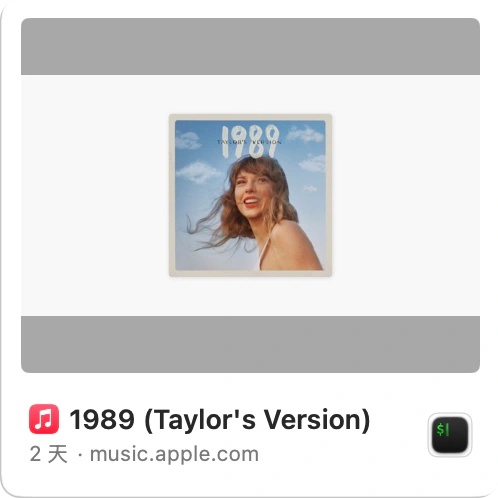
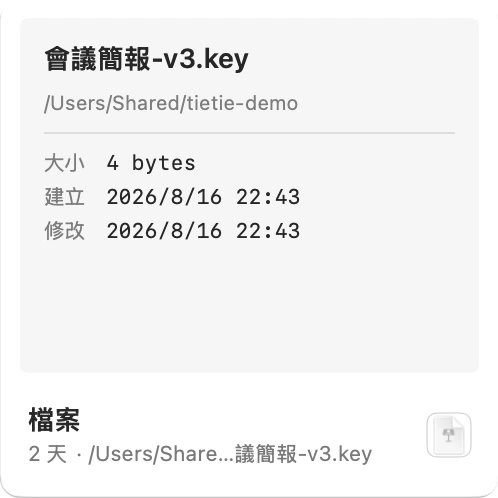
Find it, keep it, paste it, fix it. Four things you do all day.
Thousands of clips, three letters to find one
No need to click a search icon first. With the panel open, just start typing. Results are there by the time you stop typing.
- The words inside your pictures are searchable too, and that happens right here on your Mac
- type:image and app:chrome narrow it down
- Searches every category at once, so you don’t have to pick the right one first
Pin what you keep, let the rest move on
History is a stream and it ages out on its own. Pinboard is permanent, so anything you pin stays. Categories are yours to make, and dragging something in files it away.
- One clip can live in all three at once
- Drag to reorder anything into the shape you want
- Deleting a category doesn’t delete what’s inside it
Hands stay on the keyboard
Return pastes back into whatever app you came from. ⇧Return strips the formatting first. The first nine cards are numbered, so ⌘1 through ⌘9 send them straight out.
- Paste Stack: copy a bunch, then hit ⌘V repeatedly to lay them down in order
- Space previews anything, including web pages, PDFs, video and Office files
- Drag to Finder and you get a real file, not a .textClipping
Take a screenshot, fix it right there
Crop, rotate, resize, eight filters, six markup tools, one-click background removal. All of it inside TieTie, so cropping one screenshot doesn’t mean opening another app.
- One tap lifts the subject out, and your Mac does the work
- Markup has 6 tools, 7 colors, 3 line widths, and undo
- Edits apply to the full-resolution original, not the thumbnail
You know what’s in there better than anyone.
Passwords, ID numbers, a message you haven’t sent yet, an internal URL from work. None of that belongs on someone else’s server, so TieTie doesn’t send any of it anywhere.
- No account, because it doesn’t need one
- When it comes from your password manager, the pup looks away
- One switch keeps the panel out of any screen share
- Everything sits in your home folder, and you can pick it up and take it anywhere
Built on this year’s macOS, not last year’s.
Supporting old systems means staying on old technology. TieTie asks for macOS 15 from the start, so it gets to use the current stuff. And you can see the difference.
Liquid Glass
The new material in macOS 26. The panel isn’t a translucent rectangle. It refracts, it catches light at the edges, and it responds to your wallpaper. Older systems fall back to regular translucency and still look good.
Swift 6, 16 MB
That’s the whole app. Written in current Swift, so copying something never makes the interface stutter, because that kind of hitch usually comes from older patterns.
OCR and cutout, on device
Apple’s Vision framework reads the text in your images and separates subjects cleanly, with no network involved. That’s the neural engine on your Apple Silicon doing the work.
There the moment you ask
Press ⇧⌘V and the panel is up. No waking up first. Search stays just as fast after tens of thousands of clips, because it was built expecting you to search.

Copying is half the workflow.Everything after ⌘C is its job
TieTie catches the other half.

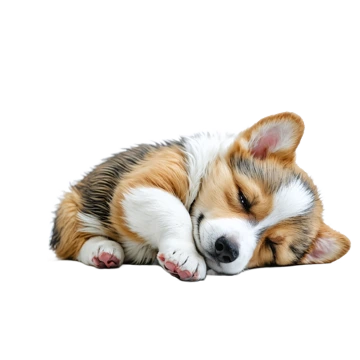
Meet the TieTie dog.
It naps on your menu bar and stays out of the way. Press ⇧⌘V and it wakes up, then fetches the card you asked for. It takes the guarding part seriously.

What you copied today,
still there next month.
TieTie 1.0 · macOS 15 and up · native on Apple Silicon